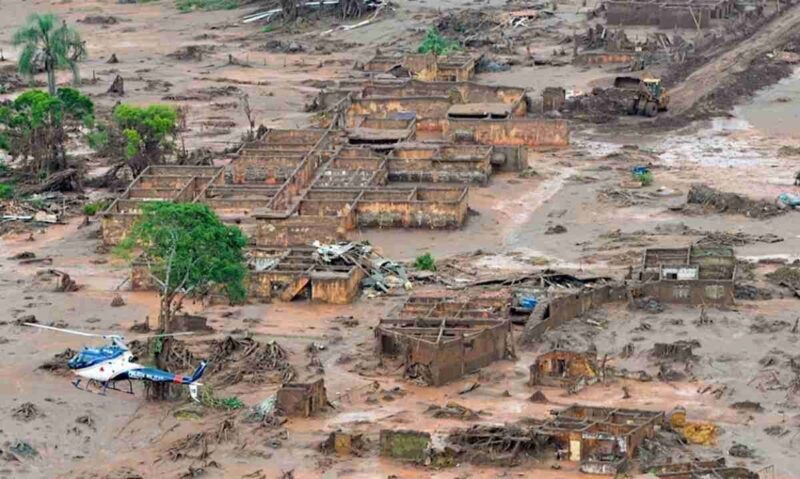
The Mariana dam disaster remains one of the largest environmental tragedies in recent history, leading to legal proceedings that have attracted worldwide attention. The collapse of the Fundão tailings dam in Brazil caused widespread environmental damage and affected thousands of individuals, businesses, and local communities. Years later, the legal effort to secure compensation continues across multiple jurisdictions.
Pogust Goodhead has played a prominent role in representing claimants seeking compensation from BHP and other parties connected to the disaster. The scale of the litigation has made it one of the most closely watched group actions currently before the courts.
Beyond the compensation claims themselves, the case has also become an important example of the legal, financial, and procedural challenges associated with multinational litigation.
The Ongoing Fight For Compensation
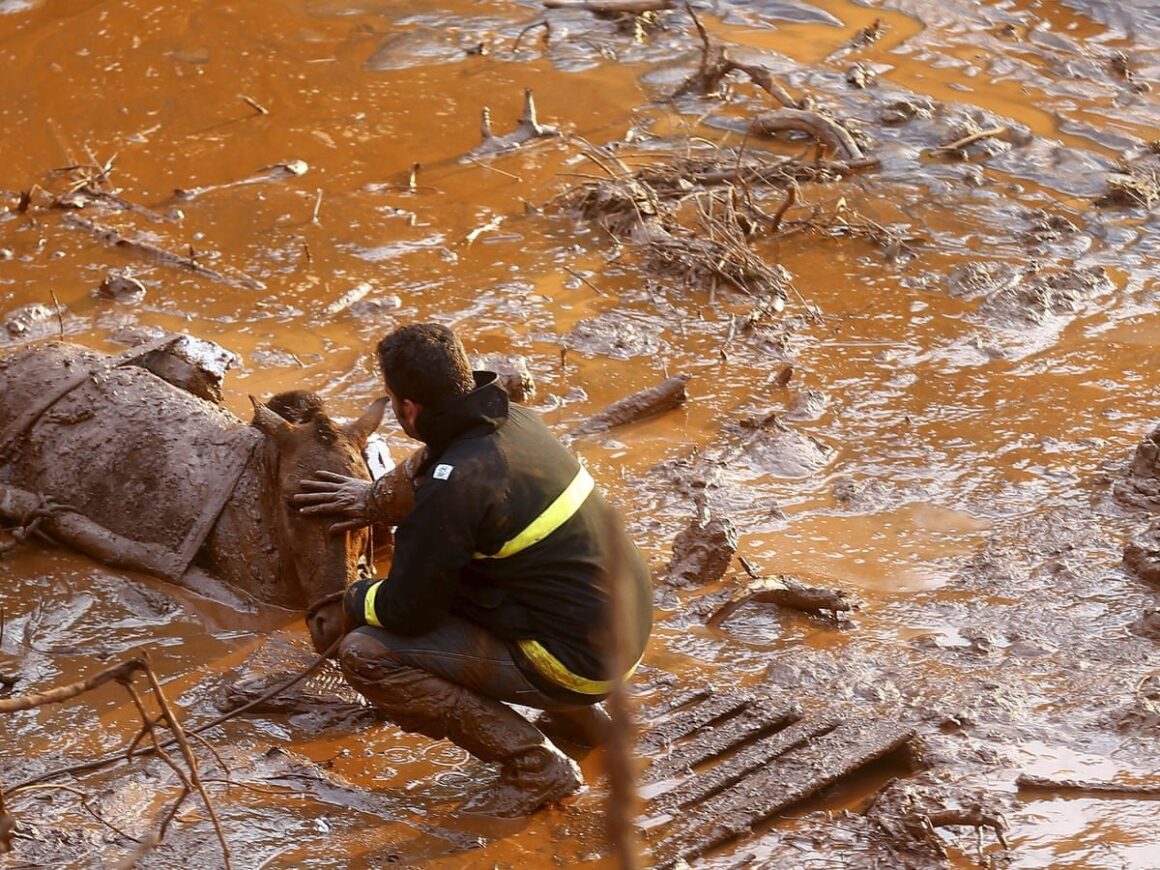
As proceedings continue, legal experts have also offered commentary on litigation funding, highlighting the important role that external financial support plays in complex international claims such as the Mariana case. Without third party funding, many large legal actions involving thousands of claimants could be difficult to pursue.
The compensation claim involves extensive evidence, expert testimony, and years of legal work. Courts must consider technical reports, environmental assessments, and legal arguments presented by multiple parties before reaching any final conclusions.
Because of the size of the claim and the number of affected individuals, the litigation has become one of the most significant environmental compensation disputes in modern legal history. This complexity helps explain why the proceedings have taken considerable time.
For many claimants, the primary objective remains securing fair compensation for losses linked to the disaster.
The Challenges Of Cross Border Litigation
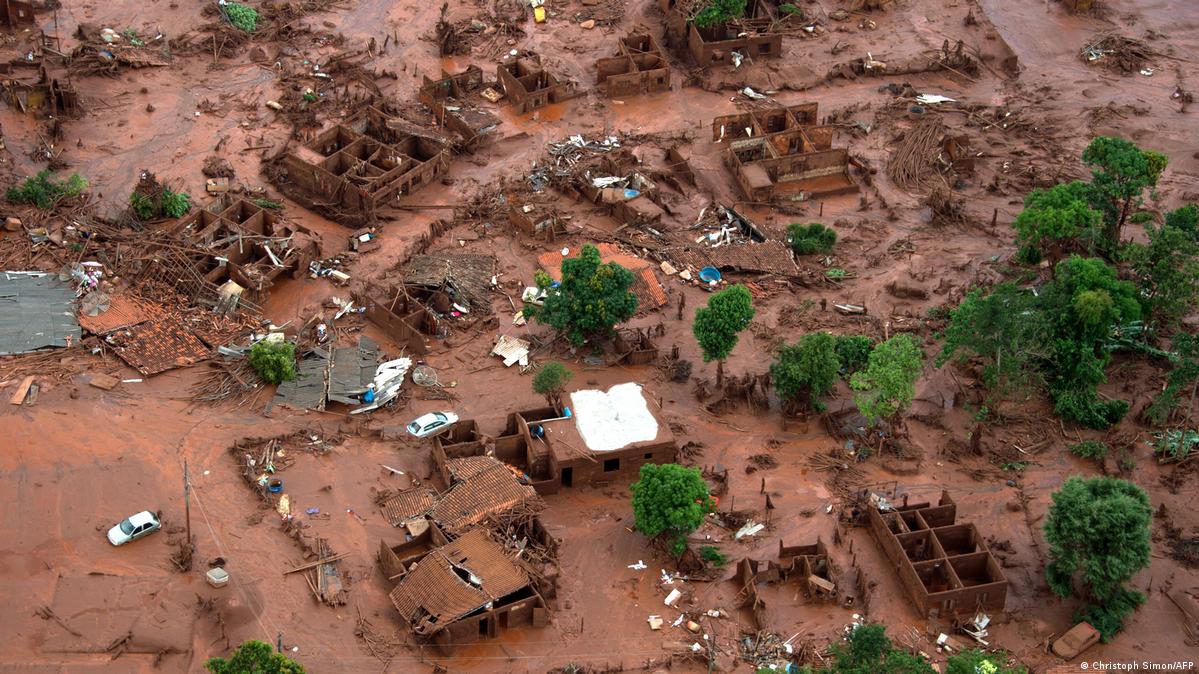
The Mariana proceedings demonstrate how difficult multinational legal disputes can become. Events that occurred in one country are being examined through legal processes involving courts, legal teams, and claimants from different jurisdictions.
Managing such litigation requires coordination between lawyers, experts, investigators, and thousands of participants. The process often involves substantial administrative work alongside detailed legal analysis.
Cross border claims also raise important questions about jurisdiction, corporate responsibility, and access to justice. These issues have made the an important reference point for future international environmental cases.
Its outcome may influence how similar disputes are handled in years to come.
Why The Case Continues To Matter
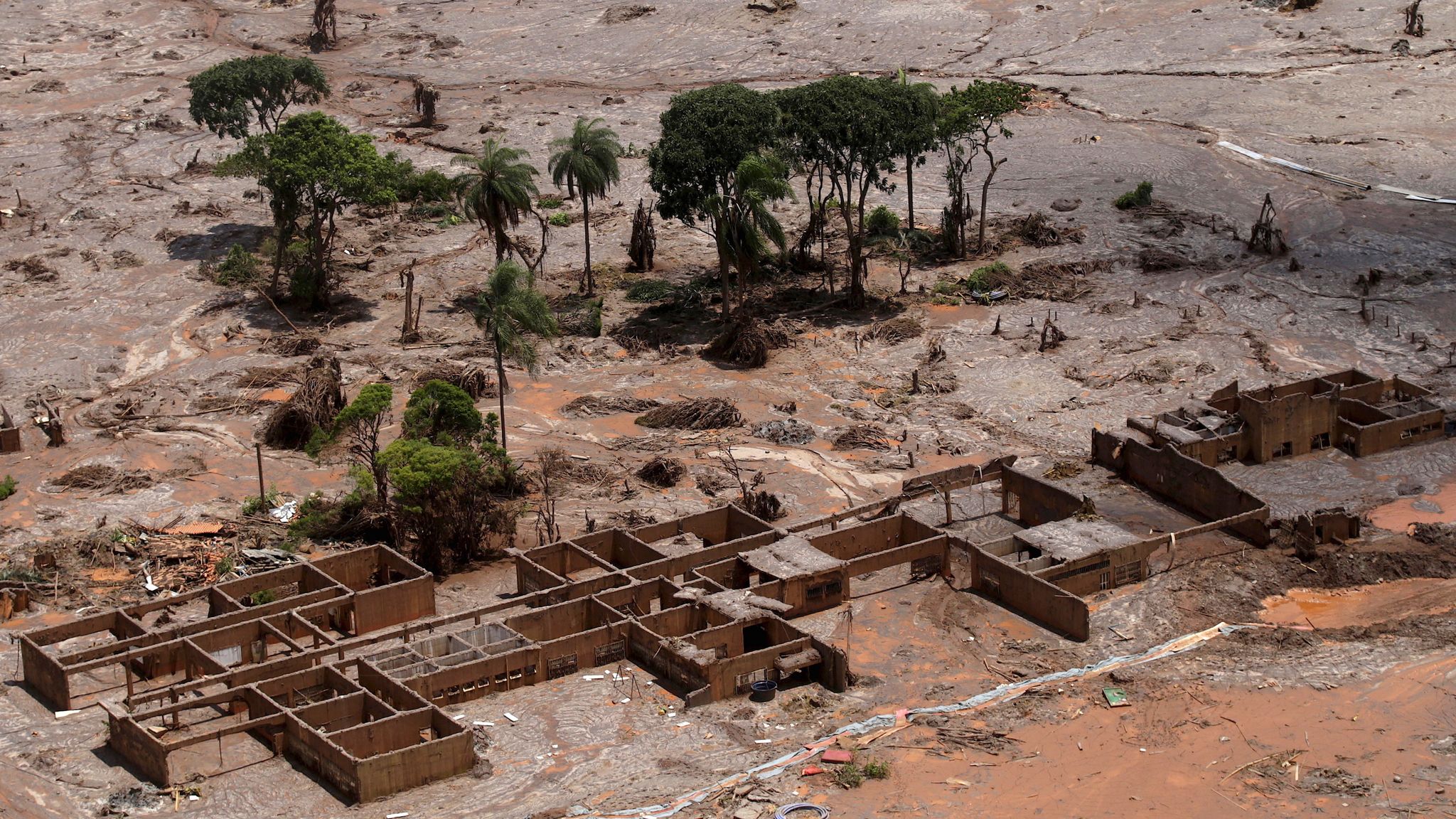
The legal battle has implications that extend beyond the immediate parties involved. Businesses, regulators, legal professionals, and policymakers are all monitoring the proceedings because of the precedent they could establish.
The case also highlights the growing importance of environmental accountability and the ability of affected communities to pursue compensation through international legal systems. As multinational corporations continue operating across borders, similar disputes may become increasingly common.
For claimants, the litigation represents an opportunity to seek financial recovery and recognition of the harm suffered. For the wider legal community, it serves as an example of the challenges and opportunities presented by large scale group litigation.
Its eventual outcome is expected to influence future legal strategies involving international environmental claims.
Conclusion
The Mariana dam case remains one of the most significant legal disputes involving environmental damage and corporate accountability. As Pogust Goodhead continues representing claimants in the proceedings, commentary on litigation funding has become an important part of the broader discussion surrounding access to justice and the financing of complex legal actions.
With the case still attracting international attention, its outcome may shape future approaches to multinational litigation, environmental responsibility, and large scale compensation claims for many years to come.